Why Standardized Documentation is the Backbone of Successful AEC Projects
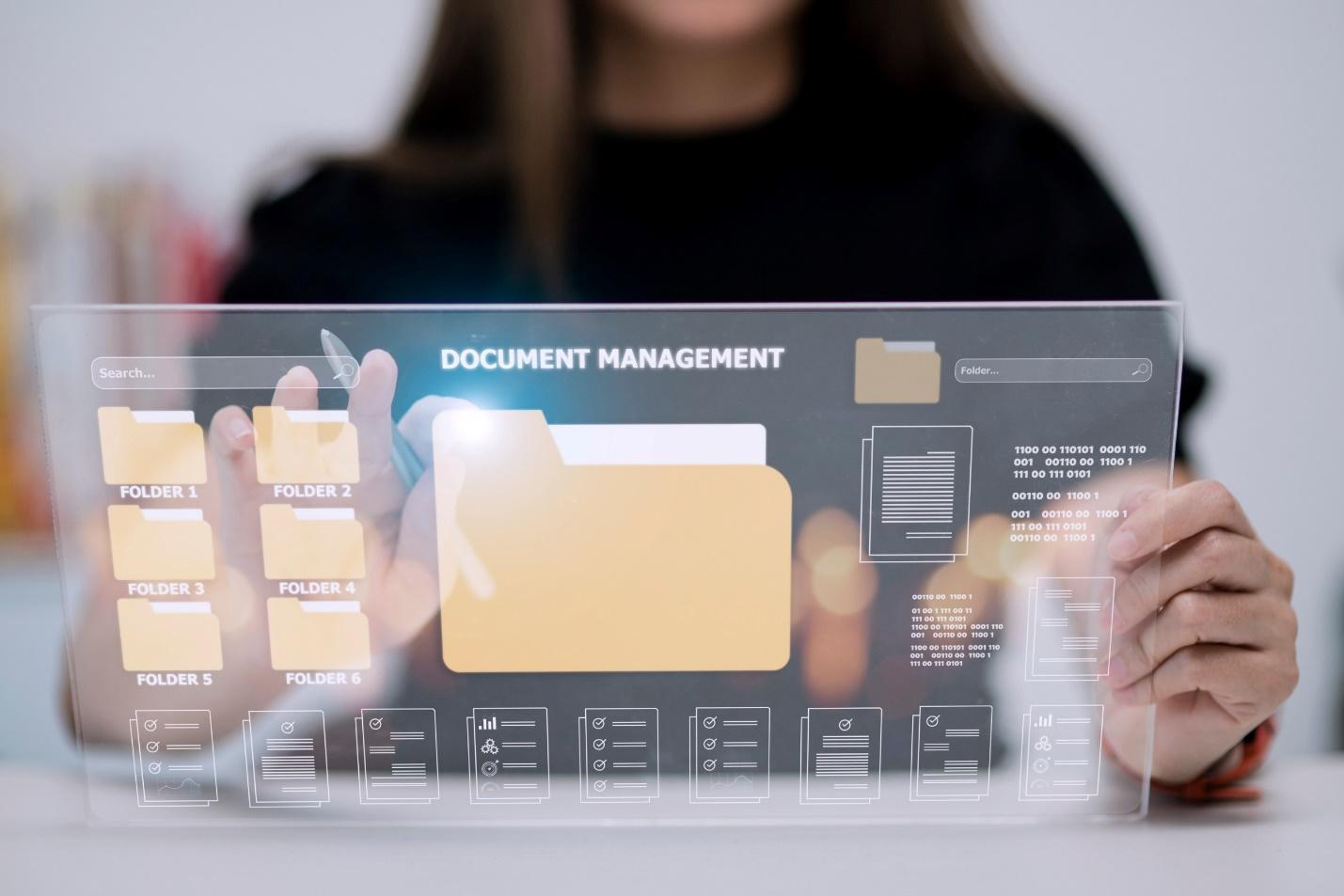
In the complex and multifaceted world of Architecture, Engineering, and Construction (AEC), the foundational elements that ensure project success often go unnoticed until their absence creates significant challenges. Among these, documentation stands as a critical pillar, guiding every phase from initial concept to final handover. However, the mere existence of documents is insufficient; their quality, consistency, and accessibility are paramount. Without a standardized approach, documentation can quickly become a source of confusion, leading to costly errors, delays, and disputes among stakeholders.
The AEC industry operates on intricate interdependencies, involving numerous teams, specialized contractors, and regulatory bodies. Each entity contributes unique insights and requires specific information. When documentation practices vary widely across these groups, the risk of misinterpretation escalates dramatically. This lack of uniformity can manifest in conflicting drawings, inconsistent specifications, and unclear communication protocols, creating a fragmented information landscape that undermines project cohesion and efficiency. Bridging these gaps is essential for seamless execution.
Consider the lifecycle of a typical AEC project: design iterations, procurement, construction, and eventual facility management. At each stage, decisions are made based on available documentation. If these documents are not standardized—if formats, terminology, and revision controls are inconsistent—the potential for rework and wasted resources becomes substantial. This often results in projects exceeding their timelines and budgets, frustrating clients and damaging reputations. The imperative for a unified documentation strategy is clear, serving as a proactive measure against these common pitfalls.
The solution lies in embracing a robust framework of standardized documentation. This involves establishing clear guidelines for content creation, formatting, version control, and information sharing across all project participants. By doing so, organizations can transform documentation from a potential liability into a strategic asset. It ensures that every piece of information, from a structural drawing to a material specification, speaks a common language, fostering clarity and reducing ambiguity. This unified approach is not merely about compliance; it's about building a resilient and efficient operational backbone for every project undertaken.
🏗️ Enhanced Project Clarity and Efficiency
-
Standardized documentation dramatically improves the clarity and accuracy of project information, which is vital for all AEC phases. When everyone adheres to a common set of guidelines for creating and managing documents, it minimizes ambiguity and reduces the likelihood of misinterpretations. This consistency extends to drawing conventions, naming protocols, and data structures, ensuring that all team members, regardless of their discipline, can easily understand and utilize the information presented. The result is a more streamlined workflow, fewer requests for information (RFIs), and a significant reduction in costly rework caused by miscommunication.
Furthermore, standardized processes facilitate better collaboration among diverse teams. With a predictable structure for all deliverables, project managers can more effectively track progress, identify potential issues early, and ensure that all stakeholders are working from the most current and accurate information. This consistency is particularly beneficial in complex projects involving multiple consultants and contractors, where information exchange is constant. By reducing the time spent deciphering disparate document styles, teams can focus more on problem-solving and innovation, driving projects forward with greater efficiency and precision. DrawingStandards Ledger provides robust solutions to achieve this level of standardization.
⚖️ Mitigating Risks and Ensuring Compliance
-
In an industry heavily regulated and prone to legal complexities, standardized documentation serves as a critical tool for risk mitigation and ensuring compliance. Adhering to established standards ensures that all project records meet necessary regulatory requirements and industry best practices. This includes everything from safety protocols and environmental impact assessments to building codes and contractual obligations. Should any disputes arise, comprehensive and consistently formatted documentation provides an undeniable audit trail, offering legal protection and substantiating project decisions.
Moreover, consistent documentation simplifies the process of obtaining necessary permits and approvals from authorities. Regulators can quickly review well-organized and standardized submissions, accelerating the approval process and reducing administrative delays. This proactive approach to documentation not only safeguards against potential legal challenges but also reinforces a company's commitment to quality and accountability.
🧠 Facilitating Knowledge Transfer and Longevity
-
Standardized documentation plays a pivotal role in preserving institutional knowledge and facilitating seamless knowledge transfer across projects and personnel. When documentation is structured consistently, it becomes much easier for new team members to quickly grasp project specifics, understand historical decisions, and contribute effectively. This is particularly valuable in an industry with high project turnover and the constant influx of new talent. It ensures that valuable insights gained from one project are not lost but rather captured in an accessible format for future reference.
Beyond immediate project needs, standardized documentation supports the long-term operational and maintenance phases of assets. Facility managers can rely on consistent, comprehensive records to understand building systems, perform routine maintenance, and plan future upgrades. This continuity of information extends the lifespan of assets, optimizes operational performance, and reduces future costs associated with information retrieval or rediscovery. DrawingStandards Ledger helps organizations build this enduring knowledge base.
Embracing standardized documentation is not merely an operational preference; it is a strategic imperative for any AEC firm aiming for sustained success. It underpins effective communication, reduces costly errors, and ensures projects remain on track and within scope. The clarity and consistency it brings are invaluable, transforming complex undertakings into manageable, predictable processes.
By investing in robust documentation standards, organizations establish a strong foundation for every project, from initial design to long-term asset management. This commitment fosters a culture of precision and accountability, which is essential for navigating the inherent challenges of the AEC landscape. It ensures that every piece of information contributes positively to the project's journey.
Ultimately, standardized documentation empowers teams to operate with greater confidence and efficiency, leading to superior project outcomes and stronger client relationships. It is the invisible backbone that supports innovation, mitigates risks, and drives continuous improvement across the entire AEC ecosystem, proving its indispensable value in every endeavor.
Related Posts


Comments
Leave Comment

Trademark notice
AutoCAD is a trademark of its respective owners. DrawingStandards Ledger is not affiliated with or endorsed by AutoCAD. References to AutoCAD are for descriptive and compatibility purposes only.