Unifying Your Design Documentation: The Path to Project Consistency

In complex project environments, unifying design documentation presents a significant challenge. Diverse teams, varied tools, and evolving requirements often lead to fragmentation. This makes it difficult for stakeholders to share a common understanding. Such inconsistency can introduce errors, slow development, and ultimately impact project quality. Establishing a clear, consistent framework is paramount.
Fragmented documentation causes misinterpretations, duplicated efforts, and constant clarification. This wastes valuable resources and stifles innovation. Without a central source of truth, teams spend more time reconciling differences than advancing project goals, hindering overall progress and efficiency.
Adopting a unified approach isn't just about standardizing formats; it cultivates clarity and precision. It involves creating a single, accessible repository for all design information. This ensures every team member, from engineers to specialists, accesses accurate, up-to-date details, promoting efficient collaboration.
Consistency in design documentation serves as the bedrock for project stability and predictability. Uniform guidelines, component libraries, and technical specifications enable swift, informed decisions. This minimizes rework, accelerates development, and elevates overall quality, ensuring the final product consistently reflects the initial vision.
-
1. Establishing a Centralized Knowledge Hub 📚
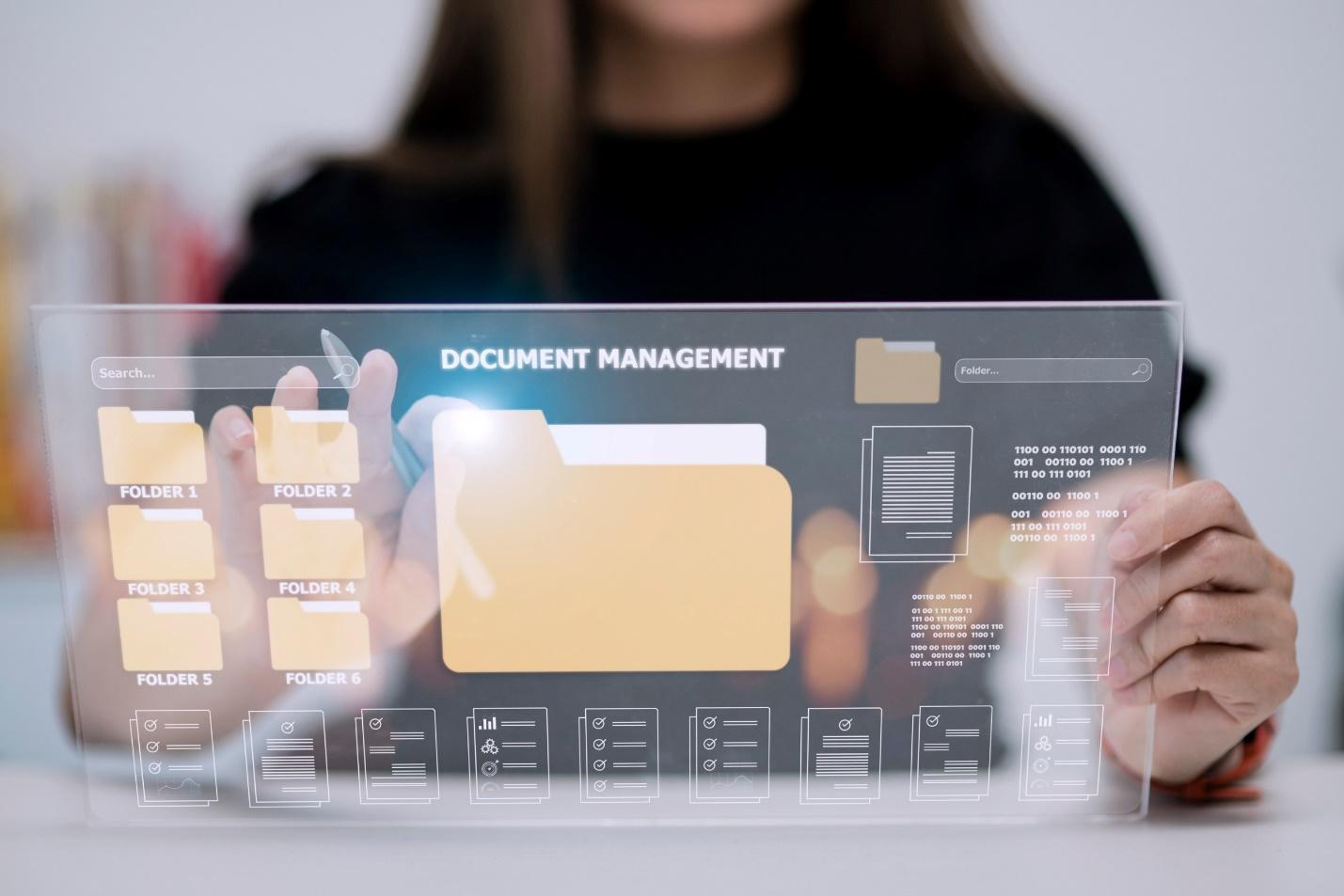
A cornerstone of project consistency is a centralized knowledge hub. This dynamic ecosystem organizes all design assets, guidelines, and decision logs, making them readily available. It ensures every design iteration, approved change, and critical piece of information is captured and accessible. This acts as the definitive source, eliminating guesswork and fostering informed decision-making.
The true value of such a hub lies in its capacity for seamless collaboration. When teams effortlessly locate the latest specifications, they spend less time searching and more time creating. It democratizes access to information, ensuring everyone operates with the same facts, crucial for maintaining design integrity throughout the project lifecycle.
-
2. Implementing Standardized Workflows ⚙️
Implementing standardized workflows is crucial for consistency. This involves defining clear processes for creating, reviewing, approving, and distributing design documentation. Such workflows ensure every document passes necessary checks, minimizing errors and adhering to quality benchmarks. This structured approach removes ambiguity, making the process predictable and efficient for all contributors.
-
3. Leveraging Integrated Tools and Systems 🔗
Unified documentation is enhanced by leveraging integrated tools and systems. Modern platforms automate version control, facilitate collaborative editing, and integrate with project management software. This interconnectedness reduces manual effort, prevents discrepancies, and synchronizes documentation with design progress. DrawingStandards Ledger offers robust solutions that bridge these critical gaps, ensuring seamless operation.
Achieving consistency in design documentation is fundamental for successful project delivery. It streamlines communication, minimizes errors, and empowers teams to focus on innovation. A unified approach builds a stronger foundation for every initiative, leading to more predictable outcomes and higher quality deliverables.
Investing in robust documentation practices pays dividends throughout the project lifecycle and beyond. It fosters clarity, reduces onboarding time for new team members, and creates a valuable asset for future projects. This strategic foresight contributes significantly to long-term operational excellence and sustained project success.
Embracing a unified approach transforms how projects are managed and delivered. It creates an environment where clarity prevails and creativity thrives. DrawingStandards Ledger is dedicated to helping organizations achieve this level of consistency, providing the necessary tools and methodologies for a cohesive design ecosystem.
Related Posts

Comments



Leave Comment

Trademark notice
AutoCAD is a trademark of its respective owners. DrawingStandards Ledger is not affiliated with or endorsed by AutoCAD. References to AutoCAD are for descriptive and compatibility purposes only.
Bruce Thompson
The article highlights important aspects of design documentation. I appreciate the emphasis on a centralized hub, though implementing it effectively can be a complex undertaking.